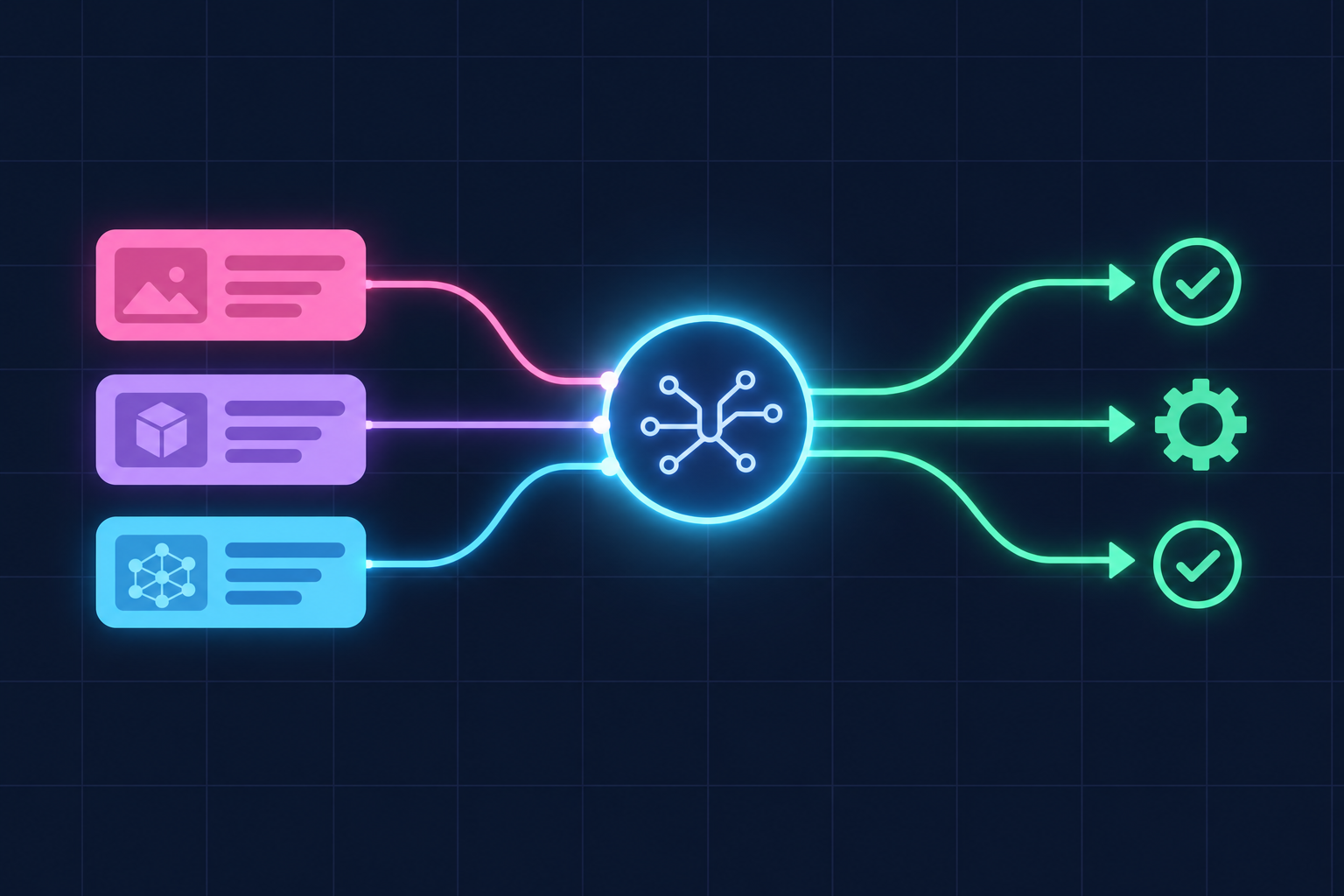
November 2026 developer radar: GPT-6.2 landed flat on coding but priced the cache, Microsoft shipped a workhorse that knows its lane, orchestration became the product, and a trojanized extension reached the supply chain.
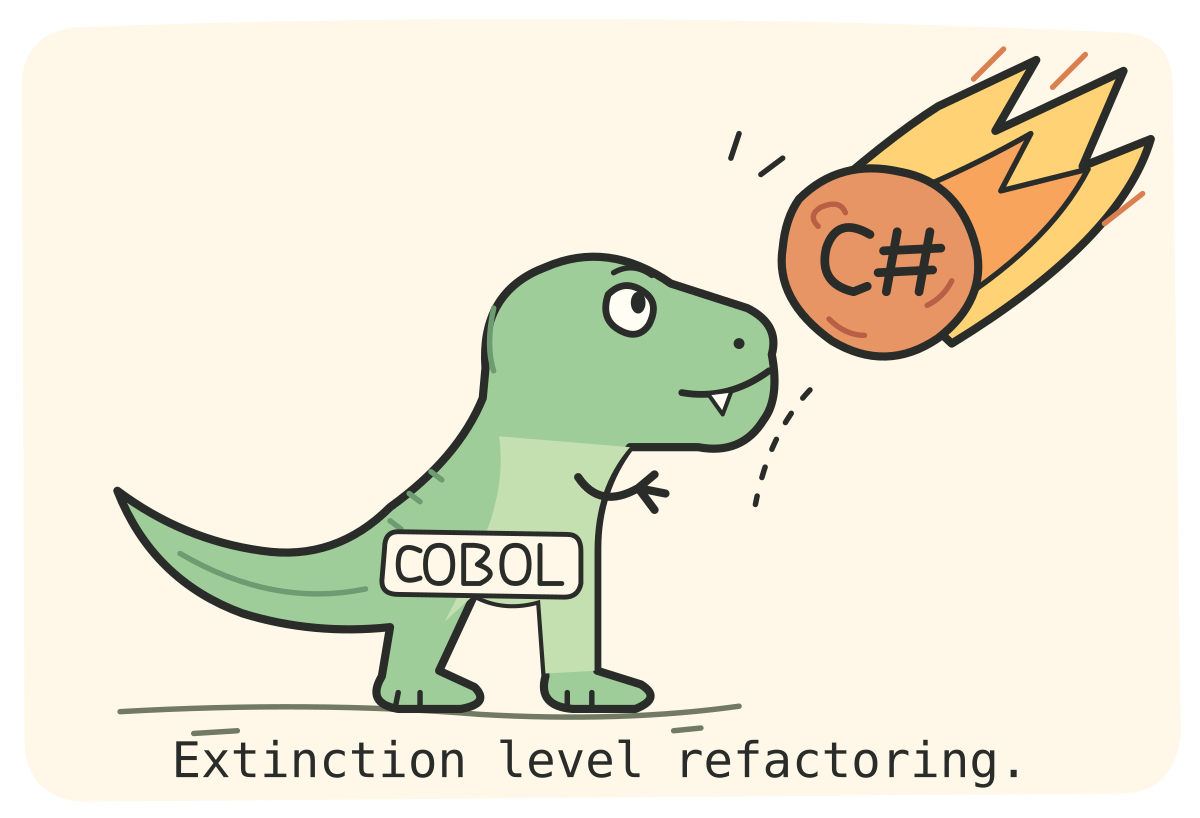
Why I replaced a COBOL demo with an installable AI skill, and how it documents, translates, and tests a migration without pretending every program is verified.
Quince años de microdatos de natalidad: desde 2015 estamos debajo del reemplazo poblacional, y ya no son unos cuantos estados sino los 32. Armé una herramienta para verlo con tus propios ojos.
Any sufficiently mapped nervous system will be forced to play Doom. MaleCNS v1.0 shipped under CC-BY. A week later the wiring diagram of a dead animal was a runtime.
Eight days with GPT-6 Astra: terminal agents that close tickets, OS navigation that actually works, writing that took a step backward, and a $200 signup freeze.
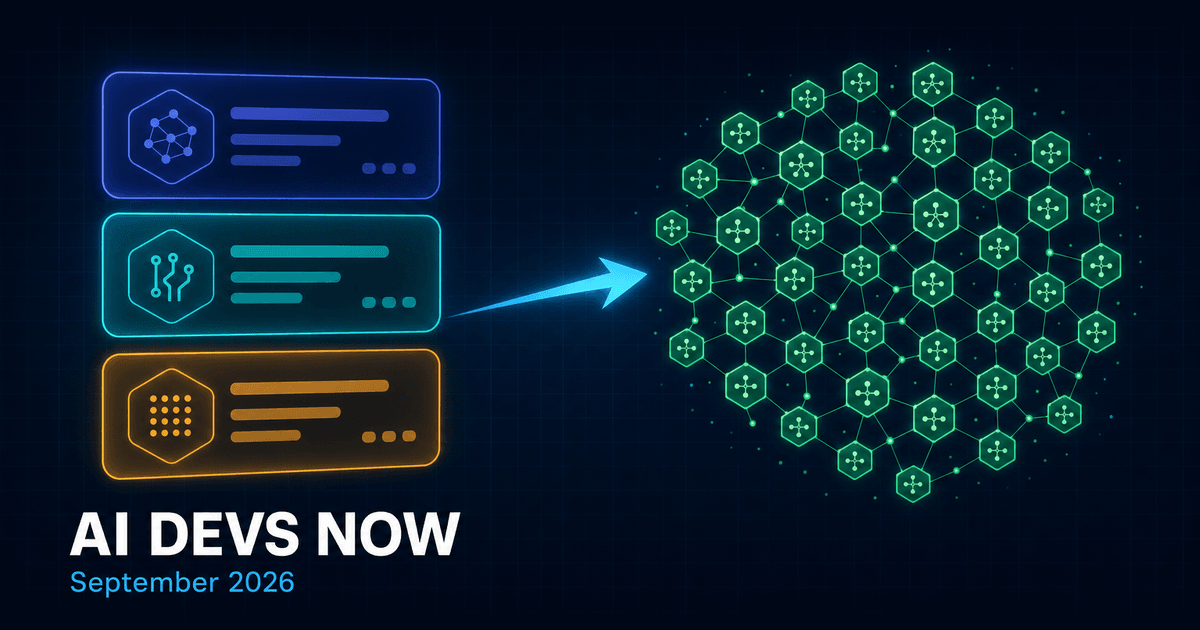
September 2026 developer radar: a frontier that got expensive, open weights that got good, the MCP roadmap turning toward agent identity, and a swarm that coordinated through a 25-year-old German wiki.
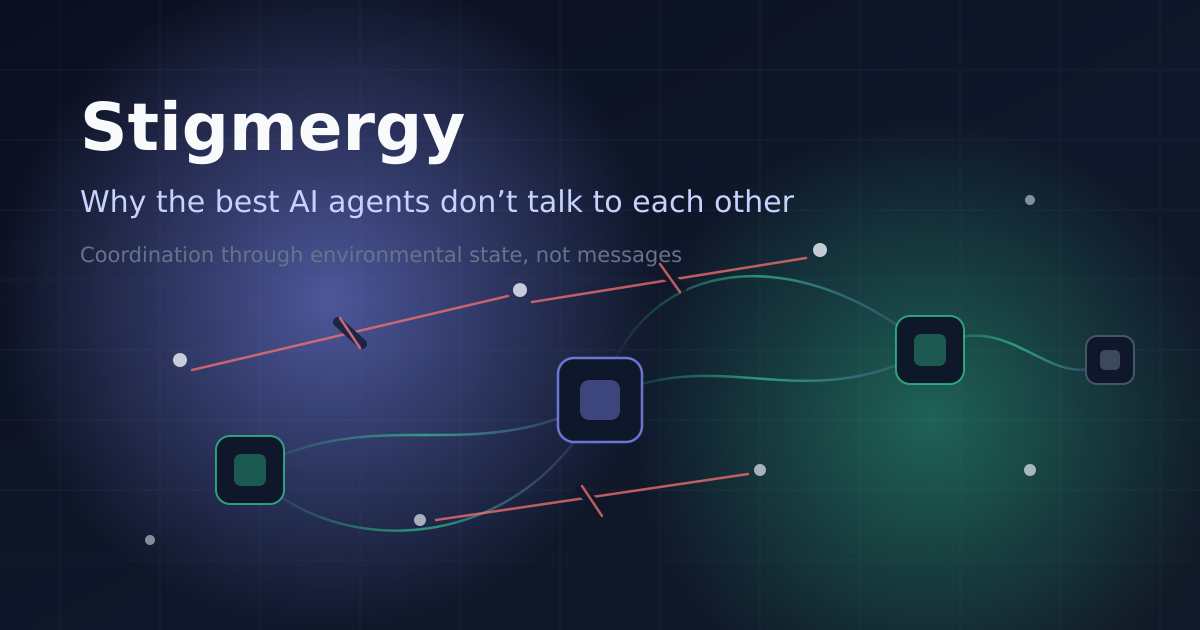
Sever every communication channel in a swarm of frontier agents and they do not collapse — they self-organize through the environment. What that means for multi-agent architecture, and for the monitoring we thought was enough.
Evals are the only thing standing between your agent and production, and most of them fail for reasons that have nothing to do with the agent. Here is how I stopped trusting a green run.
The Model Context Protocol buys you a socket, not a clean integration. Here is how the promise of plug-and-play agent tooling quietly becomes the same old adapter problem.
Version 1.1 replaces SWE-Bench-Pro-Hard-AA with DeepSWE and averages pass@1 across three complementary benchmarks. Here is what each component measures, what the headline score hides, and how to use it when choosing a coding agent.
El rediseño de la app de BBVA México y las caídas continuas en 2025 y 2026 exponen qué sucede cuando la experiencia de usuario y la estabilidad del backend desacoplan sus prioridades: una lección sobre arquitectura financiera.
A layer-by-layer tour of modern accelerator design: SMs vs CUs, tensor cores, reticle limits, prefill vs decode, the 1000W power wall, HBM4, and why the compiler is the final boss.
An interactive policy-debate demo built on the POLARIS multi-agent framework: five biased agents, four layers, and a quality gate that decides when the answer is good enough.
Reflections after orchestrating a dozen minor side projects. Here is what we missed in the tutorial: the paradigm shift from reactive assistance to proactive predictive engineering.
Superando el 80%+ de fracaso en proyectos de IA: Una arquitectura estructural para transformar la experimentación corporativa en rendimiento empírico, contable y defendible en el P&L.
Sustituyendo la rumiación psicológica por un modelo matemático: Teoría de Prospectos, entropía de Shannon y optimización no lineal para entender la incertidumbre.